

 23/04/2026
Peruvian Pima cotton: quality, tradition and sustainability
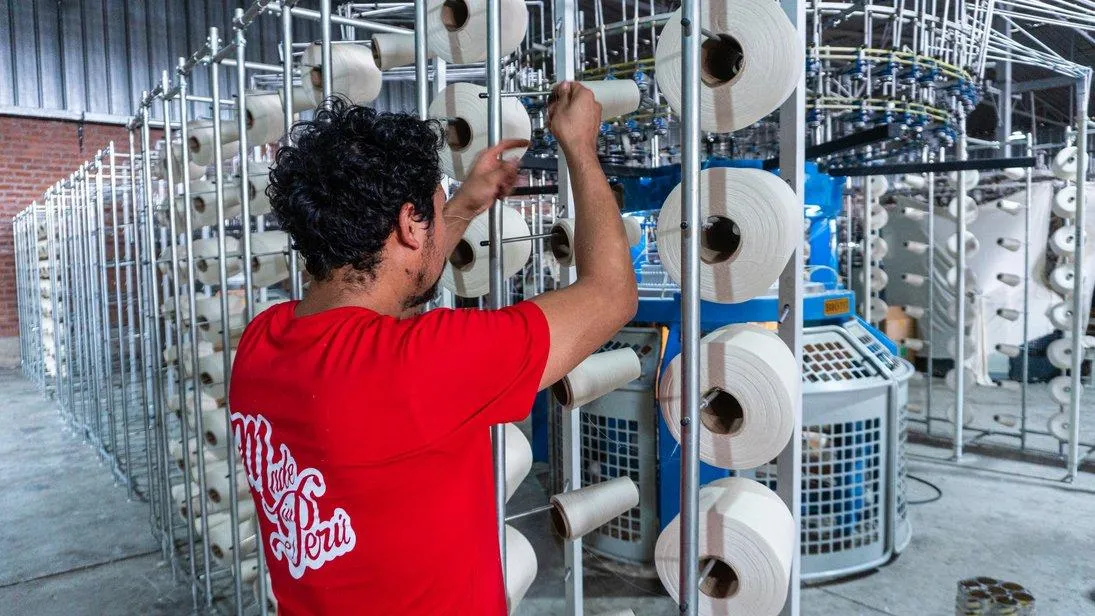
Peruvian Pima cotton is recognised worldwide as one of the finest and strongest natural fibres in existence. Its reputation is no accident: behind every thread lies a unique combination of climatic conditions, agricultural tradition and carefully controlled processes that make it a premium material within the textile industry.
Origin and unique characteristics
Pima cotton is grown mainly on the northern coast of Peru, in regions such as Piura, where the warm, dry climate, combined with fertile soil, allows for the development of an exceptionally long fibre. This characteristic, known as ‘extra-long staple’, is key to understanding its superior quality.
Unlike other types of cotton, Peruvian Pima cotton has longer, finer fibres, resulting in fabrics that are softer to the touch, more resistant to wear and tear, and with a more elegant appearance. Furthermore, its structure allows for better dye absorption, producing more intense and long-lasting colours.
Unrivalled softness and durability
One of the reasons why Peruvian Pima cotton is so highly prized is its natural softness. Garments made from this fibre feel gentle against the skin, making them ideal for everyday wear, luxury garments and high-end textiles.
But it’s not just about comfort. This cotton also stands out for its durability. Thanks to the length of its fibres, fabrics tend to pill less and retain their shape and texture even after multiple washes. This makes it an excellent investment for consumers seeking quality and durability.
The Pima cotton process begins with careful harvesting, which is often done by hand to preserve the purity of the fibre. This detail is crucial, as it prevents contamination with impurities and maintains the cotton’s original quality.
After harvesting, the cotton undergoes ginning, spinning and weaving processes. Each stage is key to ensuring that the fibre retains its properties. In Peru, many textile companies combine modern technology with traditional craftsmanship, producing goods that meet international standards.
Finally, the garment manufacturing process transforms the fabric into high-quality clothing, such as polo shirts, shirts, underwear and premium garments, which are exported to demanding markets such as the United States and Europe.
Sustainability and added value
Another important aspect of Peruvian Pima cotton is its contribution to sustainability. Compared to other crops, its production can be more environmentally friendly when good agricultural practices are implemented, such as efficient water use and reduced chemical use.
Furthermore, the cotton production chain generates employment at various stages, from the farmer to the garment manufacturer, driving local economic development. This makes Pima cotton not only a luxury product, but also a strategic resource for the country.
Why choose Peruvian Pima cotton?
Choosing garments made from Peruvian Pima cotton means opting for quality, comfort and durability. It is a fibre that not only feels good but also reflects a superior standard in every detail.
In an increasingly competitive market, where consumers seek products that combine aesthetics, functionality and sustainability, Peruvian Pima cotton stands out as a leading choice. Its global reputation continues to grow, backed by years of tradition and excellence.
Conclusion
Peruvian Pima cotton is much more than just a raw material: it is the result of an agricultural heritage, textile innovation and a commitment to quality. From the fields to the finished garments, every step of the process reflects a standard that sets it apart on the global stage.
Investing in products made from this fibre means choosing the very best of the Peruvian textile industry, with the guarantee of comfort, elegance and durability that only genuine Pima cotton can offer.